
Working at height carries serious risk. Falls from roofs, ladders, or elevated platforms remain a leading cause of injury and, tragically, death in many industries. In the UK, the Work at Height Regulations 2005 require employers to prevent falls where possible and to use suitable fall protection when work at height cannot be avoided. Choosing the right fall protection equipment is essential to protect workers, minimise the consequences of a fall, and comply with legal duties.
Among the many fall protection systems available, horizontal lifeline systems stand out for their flexibility. These protection systems allow workers to move freely across large areas while staying connected to a secure line. But when exactly are horizontal lifeline systems the best choice? This guide explains what they are, when they suit the job, and how they compare to other fall protection options.
What Is a Horizontal Lifeline System?
A horizontal lifeline system is a fall protection solution consisting of a cable or rigid line installed horizontally between secure anchor points. Workers attach to the system using a full body harness, lanyard, or rope grab. This setup provides continuous connection, allowing movement along the line without repeated disconnection.
Horizontal lifeline systems support two main modes:
- Fall arrest — the system stops a fall after it begins, absorbing energy to reduce force on the user and prevent hitting the ground or another object.
- Fall restraint — the system keeps the person from reaching a fall hazard in the first place, acting as a fall restraint system.
Key components include end anchors, intermediate supports, an energy absorber, and the lifeline cable itself. These fall protection systems must be tested and certified to standards such as BS EN 795 (Type C for flexible horizontal systems). Certification ensures the system can handle the loads generated if a fall should occur.

Horizontal lifeline systems offer a major advantage: they provide coverage across wide spans with fewer roof penetrations than multiple single point anchors. This makes them ideal for maintenance, inspection, or cleaning tasks on commercial roofs, warehouses, and distribution centres.
When Horizontal Lifeline Systems Are the Best Choice
Horizontal lifeline systems excel in situations where mobility and broad coverage matter most. Consider these common scenarios:
- Large, open roof areas where workers need to move along long distances — for example, flat commercial roofs or industrial buildings.
- Frequent access for maintenance tasks such as HVAC servicing, solar panel cleaning, or gutter work.
- Sites where collective protection like guardrails is impractical due to roof design, weight limits, heritage constraints, or aesthetics.
- Environments requiring both fall arrest and fall restraint capability within the same system.
- Projects needing a low-profile, unobtrusive fall protection solution that integrates cleanly.
In these cases, a horizontal lifeline system allows workers to carry out the task efficiently while staying protected. Paired with a body harness and short restraint lanyards or shock-absorbing lanyard, the system can prevent falls or safely arrest them if needed.
When Other Fall Protection Systems Might Be More Suitable
The Work at Height Regulations follow a clear hierarchy: avoid work at height first, then use collective protection before relying on personal protection. This principle guides the choice of fall protection equipment.
Collective protection measures, such as guardrail systems (like GuardAngel), remain the preferred option whenever reasonably practicable. Guardrails protect everyone on the roof without requiring workers to wear or connect harness equipment. They suit edges, constant access points, or areas where no PPE training is ideal.
Other alternatives include:
- Single point anchors for very small roofs or low-frequency tasks.
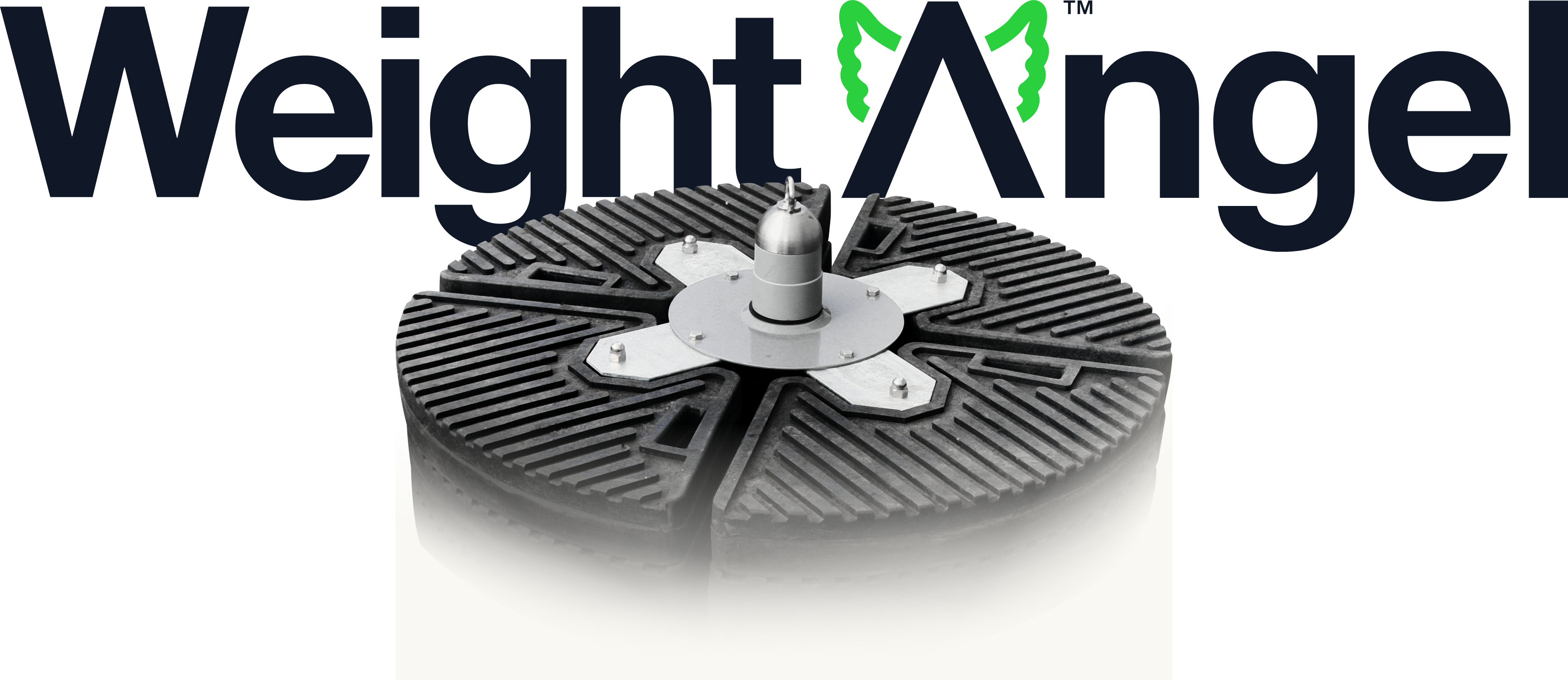
- Weighted, non-penetrative anchors (like WeightAngel) for occasional access or sensitive roof membranes.
- Non-slip walkways combined with edge protection (like WalkAngel plus GuardAngel) for defined routes.
Safety nets, fall arrest blocks, or soft landing systems may also suit specific applications, though they are less common for rooftop work.
Horizontal lifeline systems shine when collective protection is not feasible and mobility is essential. Always conduct a thorough risk assessment to confirm the correct choice.
Key Features to Look For in a Horizontal Lifeline System
When selecting fall protection systems, prioritise these features:
- Advanced energy absorption to minimise arrest force.
- Modular design for fast installation and minimal roof penetrations.
- Durable, corrosion-resistant materials (such as galfan-coated steel).
- Clear span capability with few supports.
- Independent certification (SATRA verified to BS EN 795).
- Easy inspection and annual recertification.
RoofAngel from FallAngel delivers on all these qualities. Engineered for reliability, RoofAngel offers seamless integration with other protection systems and off-the-shelf availability. It provides protection your team can rely on.
Compliance and Installation Essentials
Under the Work at Height Regulations, employers must ensure fall protection is compliant, properly installed, and regularly inspected. Horizontal lifeline systems require competent installation by trained professionals. Approved installers understand load requirements, deflection limits, and rescue planning.

Post-installation, annual inspections and recertification keep the system safe and compliant. FallAngel offers training programmes so installers become approved experts in fitting and maintaining these fall protection solutions.
Ready to Choose the Right Fall Protection for Your Roof?
Horizontal lifeline systems are often the smartest, most flexible choice when large roof areas, frequent access, or specific design constraints make collective protection like guardrails impractical. When correctly specified and installed, they deliver reliable fall arrest and fall restraint, helping prevent falls and protect your team from serious injury — so everyone returns to the ground safely.
With a compliant, well-engineered system like RoofAngel in place, your workers can move confidently across the roof, knowing the protection is always there when they need it.
Don’t leave safety to chance. Visit our Lifeline Systems page to explore horizontal lifeline systems in detail, or contact the FallAngel team today for a no-obligation discussion about your roof.
Protect lives. Stay compliant. Get the right solution!