
Working at height always presents risk, which is why reliable anchor systems play such an important role in modern roof safety. Across many industries, from construction and facilities management to solar installation and maintenance work, anchor systems provide a way to secure workers while they carry out tasks above ground level. However, installing permanent anchors into a roof structure is not always practical. In these situations, non-penetrative anchor systems provide a flexible and secure solution.
For businesses looking to protect workers without damaging the roof membrane, these anchor systems offer a practical alternative to fixed anchors. In this guide we explore how anchor systems work, when non-penetrative anchor systems are the best choice, and how systems like WeightAngel provide dependable roof safety solutions.
Understanding non-penetrative anchor systems
Non-penetrative anchor systems are roof safety systems designed to secure fall protection equipment without penetrating the roof surface. Unlike traditional anchors that rely on an anchor screw or fixed anchor post installed directly into concrete or steel structure, these anchor systems use counterweights or ballast to create stability.
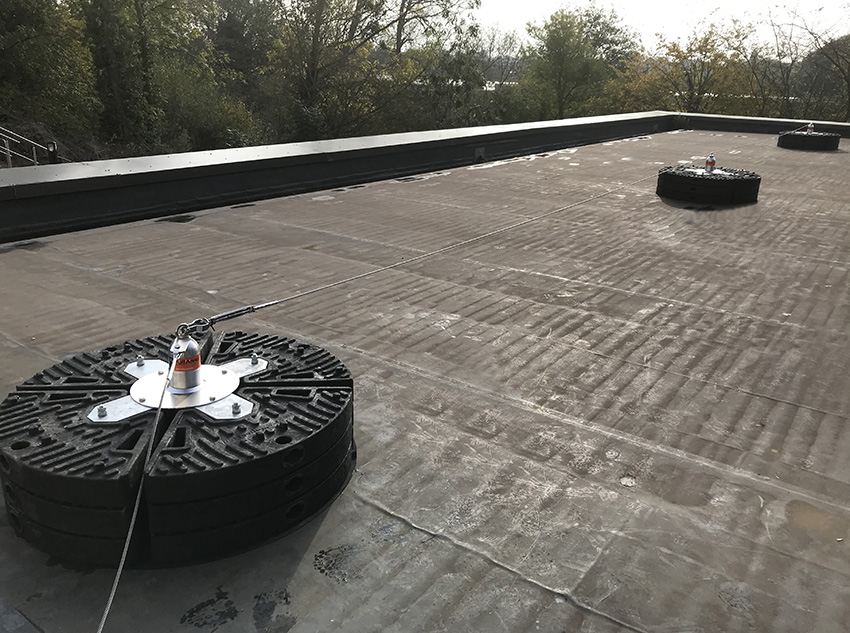
Because no anchor screw penetrates the structure, these anchor systems avoid damaging roof membranes and insulation layers. The system remains stable through distributed weight and engineered load management. This approach allows anchors to remain secure while protecting the roof beneath.
These anchor systems are often utilised as temporary roof safety solutions where permanent anchors are not required. Many industries rely on these anchors during maintenance projects, inspections, or short-term tasks. When properly designed and installed, anchor systems like these can safely support fall arrest equipment, harness systems, and other safety tools.
Why roof penetration can create challenges
Traditional anchors rely on structural fixing through the roof. This usually requires an anchor screw or anchor post that penetrates the surface and connects to the underlying structure. While this approach works well in permanent safety systems, it can present challenges in certain situations.
Roof penetration may affect waterproofing or require structural checks. In some cases it can compromise warranties on roofing materials or membranes. Certain roof types, particularly modern membrane roofs or lightweight structures, may not be suitable for permanent anchor screw installation.
For this reason many projects look for anchor systems that provide stability without penetrating the structure. Non-penetrative anchors provide that option while still supporting fall protection equipment.
When non-penetrative anchor systems are the right solution
Non-penetrative anchor systems are particularly useful when roof safety is required but permanent anchors are not practical. These systems are commonly utilised in several situations.
First, they are widely used for temporary maintenance work. Inspection teams, cleaning contractors, and repair technicians often need anchors that can be installed quickly and removed once the job is complete. Temporary anchor systems provide this flexibility while maintaining worker safety.
Second, these anchor systems are ideal for roofs where penetrations are restricted. Many modern buildings rely on membrane roofs that cannot easily accommodate an anchor screw or anchor post. In these cases non-penetrative anchors allow safe working while avoiding damage.
Third, these anchor systems are useful on projects where access requirements are limited. If workers only need to access the roof a few times per year, installing permanent anchors may not be necessary. Temporary anchor systems can support the required fall protection equipment while keeping installation simple.
Across Europe and internationally, many industries utilise similar anchor systems to maintain safety on commercial buildings, distribution centres, and industrial sites.
Key components within non-penetrative anchor systems
Although non-penetrative anchors do not rely on an anchor screw or anchor post fixed into the structure, the systems still require careful engineering to support the loads generated during a fall event.
Most anchor systems include weighted bases that distribute load across the roof surface. These anchors are designed to remain stable while supporting fall arrest equipment connected via a lanyard or harness.
In some configurations an anchor post may still be present above the ballast base, creating a connection point for fall protection equipment. This anchor post provides the attachment location while the ballast provides stability.
The design of anchor systems must consider several factors including load distribution, roof conditions, and expected applications. Proper understanding of these factors helps ensure the anchors remain secure while workers carry out tasks safely.
How WeightAngel provides a practical anchor solution
WeightAngel is FallAngel’s non-penetrative anchor system designed for safe work on flat roofs. The system forms part of the wider family of FallAngel roof safety solutions and is engineered to provide reliable fall arrest support without penetrating the roof structure.
WeightAngel anchor systems use carefully designed ballast bases to maintain stability while supporting fall arrest equipment. Because the anchors do not require an anchor screw into the structure, installation remains straightforward and roof membranes remain protected.
The system has been designed to support temporary or low frequency access where permanent anchors may not be required. For facilities teams and maintenance contractors, WeightAngel anchor systems provide a practical solution that can be installed quickly and used safely.
FallAngel products are developed with installer efficiency in mind. The engineering behind WeightAngel ensures anchors remain secure while supporting the loads generated during fall arrest scenarios.
Safety considerations when using anchor systems
As with any fall protection system, proper planning and training are essential. Anchor systems must be installed and used according to manufacturer guidance to ensure safe operation.
Several factors must be considered when selecting anchor systems. These include the roof structure, expected loads, and the number of workers using the system. Incorrect installation or misuse can create error conditions that may affect safety.
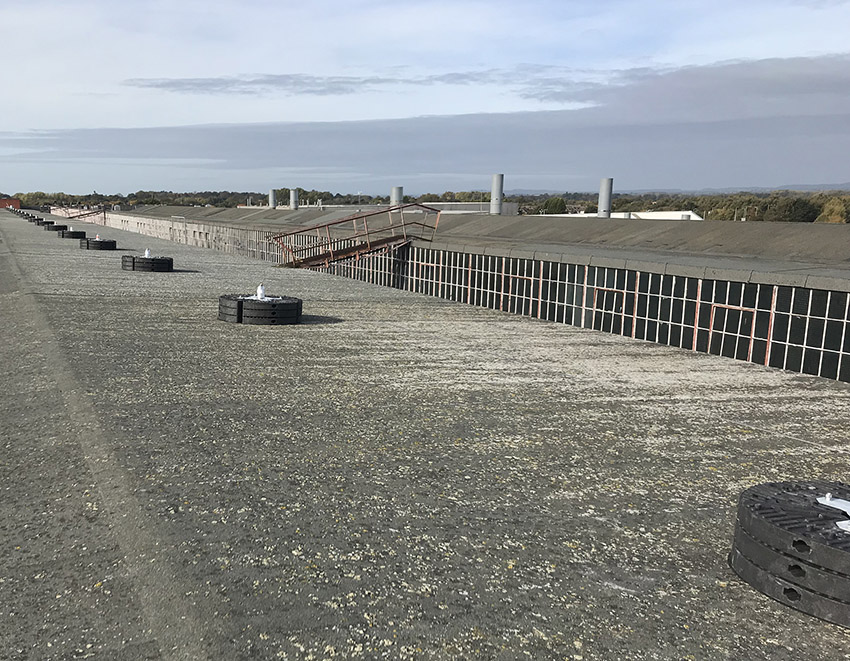
Training plays an important role in ensuring anchors are used correctly. Workers must understand how to connect harness systems, fall arrest blocks, and other fall protection equipment. Proper training helps avoid user error and ensures the anchor systems function as intended.
Professional installation and supervision are also important. Competent installers understand how anchor systems should be positioned and how loads are applied across the roof surface.
Anchor systems within a wider roof safety strategy
Anchor systems are only one part of a complete roof safety approach. Many projects combine anchors with other systems such as walkways, guardrails, and lifelines.
For example, anchor systems may be used alongside horizontal lifelines to create continuous fall protection across large roof areas. In other cases anchors support temporary work where permanent guardrails are not required.
FallAngel’s range of roof safety products has been designed to work together, allowing businesses to create tailored safety solutions for different situations.
Choosing the right anchor system
Selecting the correct anchor systems depends on the specific requirements of each project. Factors such as roof design, frequency of access, and fall protection requirements must all be considered.
Non-penetrative anchor systems offer a versatile option for many buildings. They provide secure attachment points while avoiding roof penetration, making them ideal for temporary access or sensitive roof structures.
If you would like to learn more about WeightAngel anchor systems or explore the full range of FallAngel roof safety solutions, our team can provide technical advice and support. Contact the FallAngel team today to discuss your project and find the right anchor system for your building.
Frequently Asked Questions About Non-Penetrative Anchor Systems
What are anchor systems used for on roofs?
Anchor systems are used to provide secure attachment points for fall protection equipment when people are working at height. These systems allow workers to connect a harness and lanyard so they remain protected if a fall occurs. Modern anchor systems are designed to support specific load requirements and ensure the safety of workers carrying out maintenance, inspection, or installation work on roofs and elevated structures.
How do non-penetrative anchor systems stay secure without fixing into the roof?
Non-penetrative anchor systems use counterweights to maintain stability rather than relying on an anchor screw installed into the roof structure. The ballast design distributes load across the roof surface, allowing the anchors to remain secure while supporting fall arrest equipment. These anchor systems are engineered so the applied load is safely managed without damaging roof membranes or structural materials.
When should temporary anchor systems be used?
Temporary anchor systems are commonly utilised when roof access is required for short-term tasks such as inspection, cleaning, or minor repairs. These anchor systems are particularly useful where permanent anchors are not practical or where the roof structure should not be penetrated. Temporary anchors provide a versatile solution that can be installed quickly and removed once the project is complete.
Are anchor systems suitable for all roof types?
Anchor systems can be used across many roof types, but the correct system must be selected based on the structure, materials, and load requirements. Some roofs made from concrete, steel, or membrane systems may require different anchor configurations. Understanding these factors during the design and ordering process helps ensure the anchor systems meet safety requirements and remain secure during use.
Do anchor systems require training and supervision?
Yes. Proper training is important to ensure anchor systems are used safely. Workers must understand how to connect fall protection equipment correctly and how the anchor system supports load during a fall event. On site supervision by a competent team can help avoid user error and ensure installation is carried out correctly. Many industries rely on structured training programmes to maintain safety when working with anchor systems.
How do businesses choose the right anchor systems for a project?
Selecting the correct anchor systems depends on several factors including roof design, access frequency, and the type of work being carried out. Some projects require permanent anchor installations, while others benefit from temporary or non-penetrative solutions like WeightAngel. A careful risk assessment and technical advice from experienced specialists helps ensure the chosen system meets safety requirements and protects workers effectively.


